

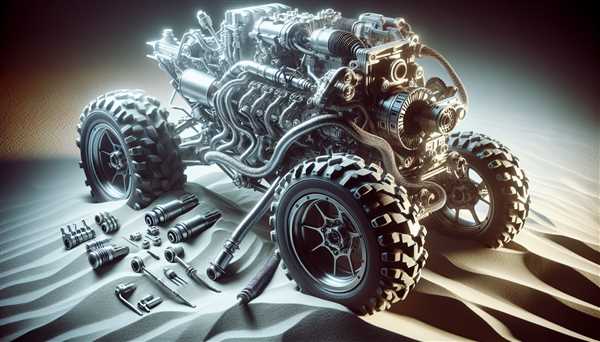
Prioritizing camshaft profiles that maximize torque and horsepower within the required RPM range is crucial. A well-matched camshaft not only enhances throttle response but also improves acceleration on loose surfaces, ensuring better grip and stability throughout corners.
Consider investing in a quality fuel management system. Proper calibration is essential, as it allows precise adjustments to fuel delivery, catering to the specific demands of high-stress environments. A balanced air-fuel mixture is key to achieving the ideal power band while maintaining engine health during prolonged racing sessions.
Valvetrain setup requires attention too. Selecting components that reduce friction while maintaining rigidity can lead to quicker throttle response and improved durability under intense conditions. Lightweight materials like titanium for valves can significantly lower inertia, enabling faster revs and better overall handling.
Don’t overlook cooling systems. An efficient radiator capable of handling increased temperatures ensures optimal operating conditions, as overheating can lead to performance drops. Adequate airflow and the right coolant mix will keep the engine running smoothly during demanding races.
Finally, exhaust systems should be designed to reduce backpressure while improving flow. This promotes better scavenging effects, leading to increased power output. A properly tuned exhaust can enhance engine efficiency and sound, providing both performance benefits and an exhilarating auditory experience on the track.
Choosing the Right Engine Specifications for Dirt Racing
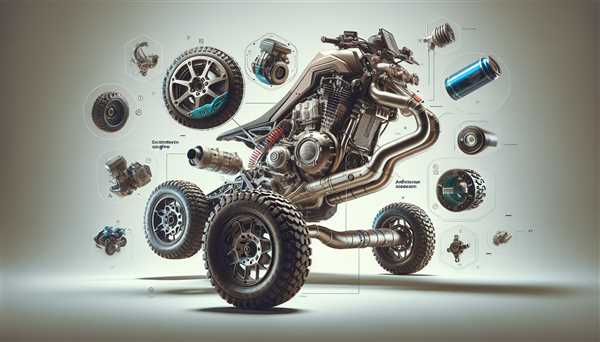
Select a powerplant with a displacement between 350 to 400 cubic inches, delivering a balance between torque and horsepower. This range is optimal for handling the demands of loose surfaces and high-speed turns.
Focus on the following specifications:
- Compression Ratio: A compression ratio of 11:1 to 13:1 maximizes power output while maintaining reliability.
- Cylinder Head Design: Utilize high-flow heads that support enhanced airflow, improving throttle response and performance at high RPMs.
- Intake Duration: Opt for camshafts with an intake duration between 230 to 260 degrees to obtain a good balance of low-end torque and high-end horsepower.
- Fuel Delivery: Employ a multi-barrel carburetor or fuel injection system capable of delivering sufficient fuel volume under racing conditions.
Consider using a dry sump oiling system. This technology provides improved lubrication, particularly important during hard cornering and rapid acceleration, ensuring engine longevity.
Evaluate the weight-to-power ratio. Engines weighing around 350-400 pounds are manageable while offering adequate thrust on loose surfaces.
Lastly, tune your exhaust system for better backpressure management. A tuned header can significantly enhance mid-range torque, essential for effective acceleration out of turns.
Tuning Options to Maximize Power and Torque on Dirt Tracks
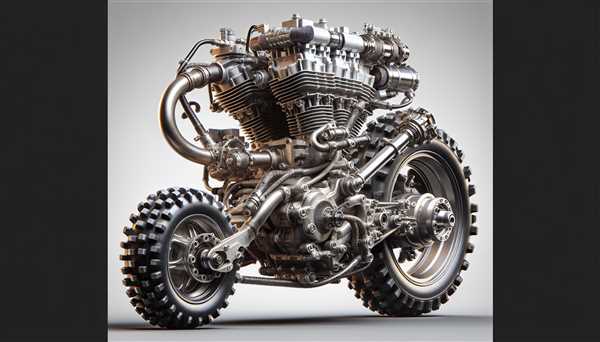
Install a performance air intake system to significantly boost air flow, enhancing combustion efficiency and power output. Consider high-flow fuel injectors that provide a greater fuel supply, allowing for optimal air-fuel ratio adjustments. Upgrading to a performance exhaust system reduces backpressure, promoting better exhaust flow which directly contributes to increased torque.
Adjust timing with an aftermarket programmable ECU to customize spark advance, maximizing power across various RPM ranges. Implement a lighter flywheel, which improves throttle response and acceleration, making it easier to maintain speed through tight corners. Opt for a differential with a lower gear ratio to enhance torque delivery, ensuring that the vehicle can cut through dirt effectively.
For traction control, utilize adjustable shocks to fine-tune suspension settings. This modification helps optimize weight transfer during acceleration, maximizing grip on loose surfaces. Experiment with tire setups, including softer compounds or specific tread patterns, to enhance traction and handling characteristics on the racing surface.
Finally, ensure regular maintenance of all components, including tuning and fluid changes, to keep everything performing at peak levels. This commitment will lead to sustained improvements in power and torque delivery throughout the racing season.
Importance of Weight Distribution and Cooling Systems in Dirt Engines
Achieving optimal weight distribution significantly enhances handling characteristics and stability during competition. Distributing mass evenly between the front and rear axles allows for better traction and cornering ability, essential when navigating sharp turns on muddy surfaces. Adjusting component placement can improve the overall balance of the vehicle, optimizing control and response under varying track conditions.
Cooling systems play a pivotal role in maintaining an ideal operating temperature. High-performance setups generate substantial heat, making effective cooling indispensable to prevent engine overheating. Employing reliable radiators, efficient water pumps, and strategically placed air ducts ensures that temperatures remain manageable, extending engine longevity and preventing performance loss during racing events.
Incorporating lightweight materials can further optimize performance. Using aluminum or composite components reduces overall weight without sacrificing strength, allowing for an agile driving experience. Additionally, conducting precise calculations on weight distribution during vehicle setup can fine-tune the balance as per specific track requirements.
Regular maintenance of cooling systems is equally critical. Routine checks on fluid levels, inspecting hoses for leaks, and ensuring all components are functioning correctly can prevent malfunctions during races. This diligence contributes directly to sustained high-speed performance amid the challenges presented by dirt track conditions.


