

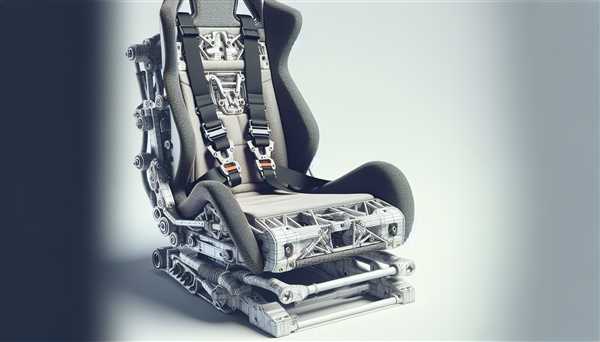
For anyone involved in off-road racing, ensuring the correct fixation of seating arrangements is non-negotiable. A strong and secure setup drastically reduces the risk of injury during high-impact maneuvers. According to industry standards, seats must be anchored with a minimum of four points to maintain stability under extreme conditions.
Always prioritize using high-quality safety straps that conform to recognized regulations. A harness system with a minimum of five attachment points is recommended to distribute force evenly across the body, minimizing injury potential in the event of a collision. Regular inspections should be mandatory to check for wear and tear, as compromised fasteners can lead to catastrophic failures.
Choosing components that meet or exceed safety certifications can save lives and enhance performance. Engaging with experienced technicians for installation ensures optimal alignment and strength. Regular maintenance inspections help identify weaknesses before they become catastrophic issues, ensuring your ride remains as safe as possible.
Choosing the Right Seat Mounting for Optimal Driver Safety
Select a racing seat that meets FIA or SFI standards for maximum protection. Ensure a snug fit within the cockpit to restrict excessive movement during collisions. Use high-quality brackets designed for your specific model, providing stability and support.
Utilize a rigid base to reduce flex and enhance overall integrity. Adjustable options can offer personalized positioning, allowing the driver to find the most comfortable yet secure setting. Pay attention to the material; lightweight constructions can contribute to better handling without compromising safety.
Incorporate anti-slip pads within the installation to prevent any unwanted shifts, even during high-impact scenarios. Regularly inspect connections for wear and tightness to maintain optimal function. Focus on proper alignment with the steering wheel and pedals for an ergonomic driving experience.
Consider the integration of harness systems with your chosen structure, ensuring compatibility and ideal distribution of forces in an accident. Remember to consult manufacturer guidelines for maintenance recommendations, preserving the longevity of the equipment.
Impact of Proper Seat Belt Installation on Crash Outcomes
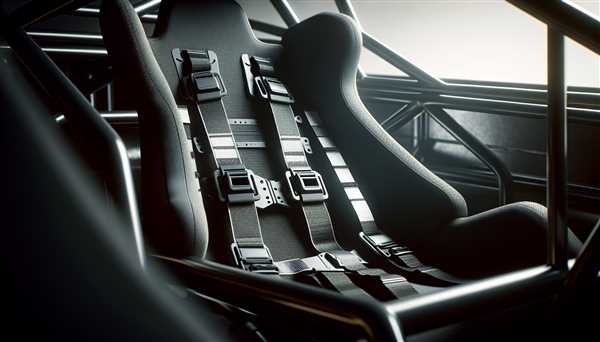
Ensuring correct placement of restraint systems is a decisive factor in minimizing injuries during accidents. Each component should be positioned precisely according to manufacturer specifications.
Key recommendations include:
- Verify that harnesses are secured tightly to prevent excessive movement.
- Adjust the angles of shoulder straps to maintain alignment with the occupant’s shoulders.
- Utilize mounting points designated for optimal force distribution during a collision.
Research indicates that improperly secured restraints increase the risk of significant injuries significantly. Statistics show that well-mounted systems can reduce the severity of injuries by up to 40% when compared to incorrectly fastened counterparts.
Regular inspections are vital to ensure that the apparatus remains intact over time. Look for signs of wear, fraying, or damage that could compromise safety. Replacing worn units can dramatically enhance protection.
Engagement in training and education regarding correct installation techniques enhances overall safety measures in racing environments, leading not only to improved driver outcomes but also fostering a culture of safety among teams.
Regular Maintenance Checks for Seat and Belt Integrity
Inspect the frame connections of your protective seating system at least every month. Look for signs of wear, rust, or loose fittings that could compromise safety during high-impact situations.
Examine the fabric and stitching of restraint straps regularly. Any fraying, cuts, or visual damage requires immediate replacement to ensure reliability during use.
Perform a routine tightening of anchor points to prevent any movement. Use a torque wrench to apply manufacturer-specified settings, ensuring that every fastener is secure.
Check for compliance with safety regulations. Be aware of the manufacturing dates on components and replace them according to the recommended lifespan or sooner if any concerns arise.
Keep a maintenance log detailing dates of inspections and any repairs made. This record helps track the performance and condition of equipment over time.
Also, conduct a thorough cleaning of all components to remove debris, dirt, or moisture that may lead to deterioration. Use appropriate cleaning agents that will not damage materials.
Consider the use of protective covers when equipment is idle to minimize exposure to harsh environments which may accelerate wear.


