

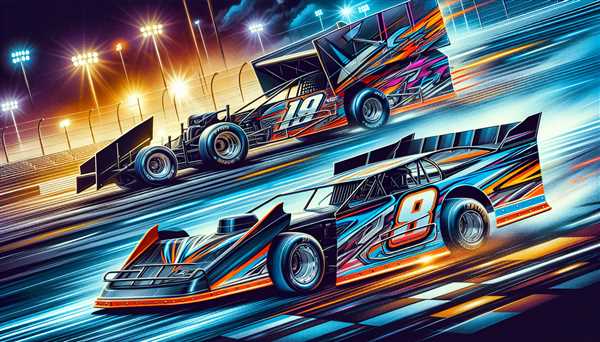
Understanding the distinctions between various types of racing vehicles can enhance your appreciation of motorsport. Those intrigued by high-speed action should consider the choice between modified configurations and winged race cars. Each category features unique characteristics that cater to different driving preferences and track conditions.
Modified vehicles showcase a balance of power and agility, designed for tight turns and diverse terrains. The chassis construction and wheel setups allow for impressive maneuverability, making them ideal for shorter, tighter tracks. This configuration provides the driver with enhanced control, particularly in stock racing formats.
Conversely, winged race cars prioritize speed and aerodynamic efficiency, designed for longer, faster circuits. The prominent wings generate downforce, allowing for faster lap times and increased stability at high speeds. Racers often prefer this style for its exhilarating acceleration and ability to maintain velocity through corners.
Ultimately, the choice between these racing formats hinges on personal preference and the specific demands of the track. Assessing individual driving styles is key to selecting the right vehicle for optimal performance and enjoyment on the racing circuit.
Understanding Performance Differences Between Modifieds and Sprint Cars
The distinction in performance characteristics between the two types of racing vehicles is significant. Modifieds typically feature a heavier chassis, providing better stability during tight turns, while sprint cars are lighter, allowing for higher acceleration and speed on straightaways.
Engine configurations also differ. Modifieds often utilize powerful V8 engines with a focus on torque, enabling efficient cornering. Conversely, sprint vehicles are designed for quick bursts of speed, relying on high-revving engines that maximize horsepower to attain fast lap times.
Aerodynamics play a pivotal role as well. The design of modifieds includes larger bodies that create downforce, enhancing grip. Sprint cars, however, possess streamlined shapes that minimize drag, allowing them to achieve remarkable velocity on straight sections of the track.
Tire selection can greatly impact traction and performance. Modifieds often utilize a harder compound tire for durability under heavier loads, while sprint cars can benefit from softer compounds that provide increased grip, particularly in short races.
Handling characteristics differ due to suspension setups; modifieds prioritize stability, while sprint variants emphasize agility and responsiveness, allowing for sharper cornering and quicker maneuvers.
Ultimately, these performance variations cater to different racing styles and track requirements, impacting driver strategy and race outcomes. Understanding these disparities aids in choosing the appropriate vehicle for specific racing scenarios.
Key Design Features of Late Models and Their Impact on Racing
Focus on adjustable suspensions to enhance adaptability on various tracks. This feature allows drivers to fine-tune the handling characteristics, maximizing grip and stability during races.
Prioritize aerodynamic elements that minimize drag while maximizing downforce. A well-designed front splitter and rear spoiler can significantly improve cornering speed and overall performance.
Utilize lightweight materials to reduce the overall weight without sacrificing strength. This results in faster acceleration and improved handling, giving competitors an edge on the track.
Incorporate advanced cooling systems to maintain optimal engine temperature. This can prevent power loss during long races, ensuring consistent performance until the finish line.
Implement specific tire compounds tailored for different track conditions. Choosing the right rubber can enhance traction, allowing drivers to push their machines to the limits.
Focus on weight distribution to achieve optimal balance. A lower center of gravity can enhance stability, particularly in turns, making the vehicle easier to control at high speeds.
Consider incorporating telemetry systems for real-time data analysis. This technology provides insights into performance metrics, allowing teams to make informed adjustments during races.
- Adjustable suspensions for customized handling
- Aerodynamic designs for reduced drag
- Lightweight materials for better speed
- Advanced cooling systems to prevent overheating
- Specialized tire compounds for various conditions
- Thoughtful weight distribution for improved balance
- Telemetry systems for performance tracking
By focusing on these key design features, teams can enhance their competitive advantage and boost their chances of success on race day.
Choosing the Right Vehicle for Specific Racing Conditions
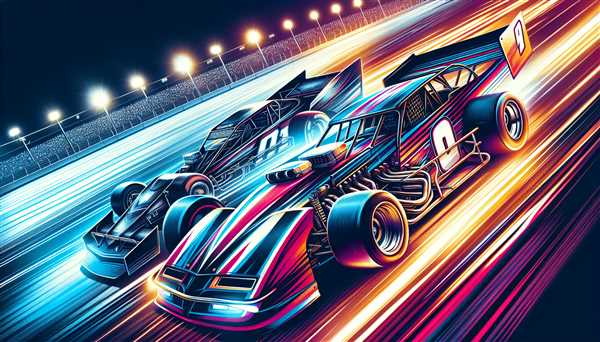
Select a modified when competing on dirt tracks with variable surfaces. Their adaptability allows for better handling in loose conditions, enhancing cornering speed and stability.
Opt for high-performance machines during events where speed is critical, such as asphalt ovals. These vehicles are designed for quick acceleration and sharp turns, providing an edge in lap times.
Consider the weather forecast. Wet conditions favor racers with superior traction and balance, often found in their more agile counterparts. This agility can make a significant difference on slick surfaces.
For tight and technical circuits, choose designs that excel in maneuverability. Look for vehicles with optimized weight distribution which provides an advantage in navigating sharp turns.
If endurance is a factor, select those built for longer events. Look for durability and fuel efficiency as key features. These attributes will determine performance over extended distances.
Evaluate tire choices based on the track surface. Softer compounds provide grip on tightly packed dirt, while harder options may be necessary for longer asphalt races. Choose wisely to maximize traction and minimize wear.
Take into account your experience level. Beginners may find more success with user-friendly options that offer stability and control, while seasoned racers might prefer high-performance variants that demand skilled handling.


