


Check the asphalt temperature with an infrared thermometer before you head out. A surface that is too hot can lead to excessive tire degradation, impacting grip and lap times. Aim for a temperature between 20-30°C for optimal tire performance, ensuring you have the ideal conditions to push your limits.
Examine the grip level by applying a small amount of tire compound onto the surface. If the compound spreads evenly and retains some stickiness, conditions are favorable for quick laps. Conversely, a dry or dusty surface may require adjustments to tire pressures to maximize traction.
Look for visible signs of wear, such as cracks or irregularities on the surface. These can cause unpredictable handling and affect lap consistency. Prioritize areas with smoother textures, as they generally provide better contact for your tires.
Evaluating Track Surface Texture for Optimal Grip
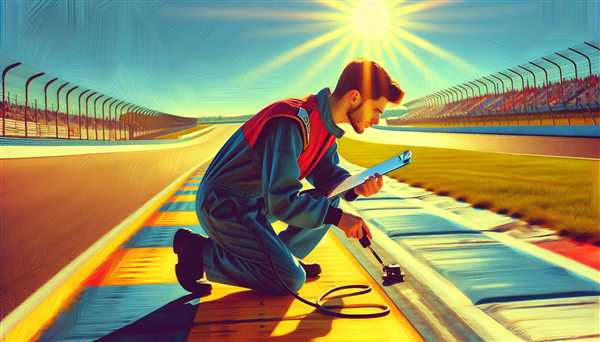
Examine the surface meticulously; focus on its roughness and irregularities. A textured finish enhances tire grip, allowing for better acceleration and cornering during intense sessions.
Utilize a durometer to measure softness; softer surfaces promote higher friction levels. Ensure that the depth of grooves is adequate, as they aid in channeling water away, preventing loss of traction in wet conditions.
Temperature plays a role; monitor how heat affects the surface’s properties. Warmer asphalt tends to provide more grip, but excessive heat can lead to degradation, impacting performance negatively.
Conduct tests with different tire compounds. Observe their interaction with the surface; some formulas work better on specific textures, maximizing performance during laps.
Document lap times and feedback from drivers after each session. This data will reveal trends regarding optimal surface conditions and will help adjust strategies accordingly.
Identifying Weather Impact on Track Performance
Monitor temperature and humidity closely; both significantly influence grip levels on the surface. On a warm day, rubber from tires sticks better, enhancing traction. Conversely, during cooler conditions, the track may become slick, reducing performance.
Check for moisture from precipitation. Rain causes the surface to become slippery and disrupts lap times. Even after the rain stops, lingering dampness can keep the performance compromised until the track dries out.
Wind also plays a role in drying conditions. A strong breeze can accelerate evaporation, helping the surface recover quicker after rain. On the other hand, high winds can create dust and debris, affecting handling and lap consistency.
Monitor cloud coverage, as it can affect temperature and tire performance. Overcast skies may lead to cooler conditions, impacting the rubber’s effectiveness. Conversely, direct sunlight may enhance temperature, optimizing surface grip.
Track barometric pressure influences engine performance and tire inflation. Low-pressure systems may lead to less optimal engine output due to density changes in the air, while high-pressure scenarios often yield better performance metrics.
Measuring Tire Composition and Pressure for Hot Laps

Prioritize precise tire pressure between 28-32 psi based on the compound and track surface. Use a digital gauge for accuracy. Adjust the pressure according to temperature changes; after a few laps, check again to ensure optimal grip.
Analyze tire composition details, including rubber type and tread pattern; these factors significantly influence performance. Softer compounds offer better grip but wear quicker. Harder compounds last longer but provide less traction. Understanding how tire choices interact with the asphalt will enhance lap times.
Implement a tire pyrometer to gauge surface temperatures post-laps. Ideal front tire temps range from 180-200°F, while rear tires should be around 200-220°F. Adjust camber and toe settings accordingly to match the tire wear characteristics observed.
Regular pressure and temperature checks during practice allow for fine-tuning, maximizing performance on the circuit. Ensure even wear across the tread to maintain balance and stability while cornering at high speeds.


