

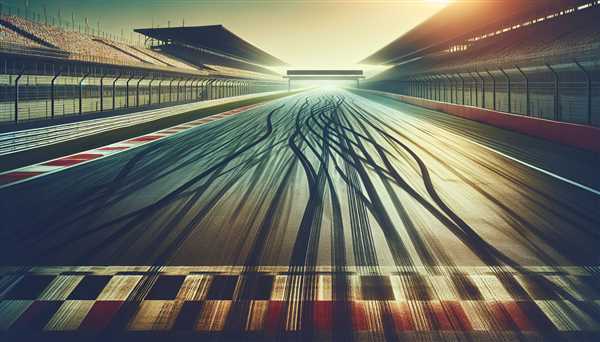
To achieve maximum performance during competition, focus on the preparation of the surface. Proper conditioning of the arena can significantly influence the trajectory and handling characteristics of vehicles. Implementing a consistent approach to surface management can yield measurable improvements in lap times.
Analyzing the composition and texture of the ground facilitates a better understanding of how vehicles interact with it. For instance, integrating moisture content control can enhance grip and stability, allowing drivers to navigate turns with precision. The method of compacting the surface also plays a critical role; denser surfaces tend to offer better traction.
Regularly assessing the wear and tear on the racing course enables timely interventions that keep the driving area consistent. This practice ensures that competitors can rely on predictable performance, crucial for honing their skills and strategies. Instructing team members on surface care techniques will further streamline preparation, yielding better overall results during competitive events.
Analyzing Surface Changes: How Track Prep Alters Grip Levels
To enhance traction, ensure a thorough examination of the surface composition before events. Consider factors such as moisture content, rubber accumulation, and abrasive materials that influence the level of adherence.
Regularly implement a process for cleaning the course to remove oils and dirt. This guarantees a consistent grip during competitions, leading to predictable vehicle behavior.
Monitor weather conditions meticulously. Rain can drastically alter the coefficient of friction. Adjust techniques accordingly–use intermediate tires or optimize the setup for wet grip to maintain performance levels.
Incorporate surface treatments like compounds that bond with asphalt to improve grip. Analyze the effects of these materials, as they may provide varying levels of stickiness and durability over time.
Experiment with the application of different rakes or grinds, which modify the texture of the surface. A coarse finish may enhance grip, while a smoother surface could facilitate higher speeds, depending on the vehicles involved.
Compare tire performance on multiple surfaces. Collect data on how tires react to changes in surface conditions to refine driving strategies and vehicle setups.
Prioritize feedback from drivers about grip levels. Their insights can inform ongoing modifications to the surface, ensuring optimal conditions for all participants.
Evaluating Optimal Racing Lines: Adjustments Based on Track Conditions

For optimal performance, adjust your trajectory based on the grip level of the surface. On fresh asphalt, prioritize smooth arcs to maximize speed through turns. In contrast, on worn or dirty surfaces, consider tighter curves to reduce slide and maintain control.
Monitor tire wear and track temperature to modify your approach. When conditions are slippery, shifting closer to the apex of curves can enhance stability. If the supply of rubber is limited, carving wider paths might allow for better traction.
Utilize telemetric data from previous laps to identify key sections that require adaptation. Take note of any high-speed corners where lateral grip fluctuates, and plan your approach accordingly, either altering your braking points or steering inputs.
In inclement weather, evaluate the optimal path by observing where others struggle. Fluid accumulation often shifts the best path, requiring real-time adjustments to remain competitive.
Continuous observation of competitor strategies can reveal effective options for your own trajectory. Experiment with subtle shifts throughout each lap, gathering insights into the evolving characteristics of the track.
Driver Strategies: Adapting to Track Prep Variations During Races
Adjust tire pressures based on surface conditions; lower pressures enhance grip on slick patches, while higher pressures suit dry areas. Monitor competitor trajectories; they often reveal optimal paths and unexpected spots for overtaking.
Use telemetry data to analyze your car’s handling in real-time. Adjust suspension settings if the surface changes dramatically during a race, ensuring better traction and stability.
Communicate constantly with the team to receive updates on condition changes. This allows for timely strategy shifts and pit stop considerations.
Be prepared to change your angle of attack when cornering, especially if certain sections become more abrasive or unstable. Experiment with different lines to find the most effective routes as conditions evolve.
Remain aware of weather forecasts. If rain is predicted, adjust your tire strategy earlier than competitors to gain a performance edge when conditions shift.
Employ a proactive mindset by practicing various scenarios ahead of the event. Familiarize yourself with multiple approaches to corners and changing surfaces, making adjustments intuitively during the race.


