

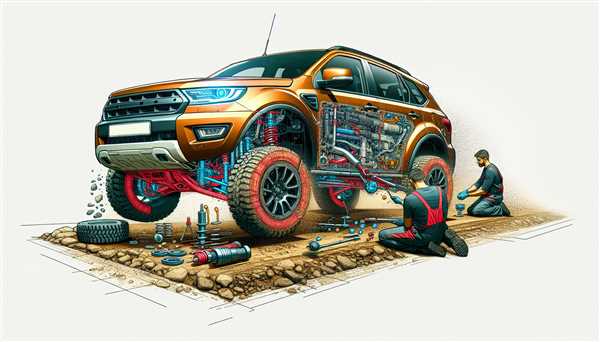
Adjust your spring rates to match the terrain characteristics; softer springs tend to absorb bumps more efficiently, allowing better grip on the loose surface. Test different rates, focusing on finding a balance between comfort and control while traversing varied sections of your track.
Use compression adjustments to fine-tune how your vehicle reacts under load. Increasing compression damping can prevent bottoming out on rough sections, while decreasing it improves compliance. Pay attention to how your setup behaves during acceleration and braking, as each can significantly impact traction and stability on dirt.
Consider adjusting your ride height to improve weight distribution. A lower stance may enhance cornering speed, while a higher setup allows for increased obstacle clearance. Experiment with your vehicle’s geometry for improved cornering bite and better handling through ruts and bumps.
Don’t overlook your tire pressure; it can dramatically influence traction and responsiveness. Lower pressures typically increase the contact patch, maximizing grip on the slippery surfaces, while higher pressures might be effective in maintaining stability on more compact areas of the track.
Adjusting Shock Absorber Settings for Tough Dirt Conditions
Start with lower rebound settings. This allows the shock to recover more slowly, helping maintain traction on uneven surfaces. Test values around 8-10 clicks from fully closed.
Next, fine-tune compression adjustments. For rough tracks, increase compression to absorb larger bumps effectively without bottoming out. Aim for 10-12 clicks from the softest position.
Check the air pressure in the shocks. For challenging terrain, slightly increasing pressure (by 2-4 PSI) can prevent excessive bottoming and improve response on sharp bumps.
Pay attention to the damping settings. For gnarly sections, a firmer setup can keep the wheels planted, while smoother areas might benefit from a softer feel. Experiment with 6-8 clicks of adjustment to find the right balance between comfort and control.
Stiffen the spring rates if you encounter hardpack surfaces. A ratio increase of about 15% can help maintain stability while navigating through relentless obstacles on the course.
Lastly, consider the ride height. A slight increase (by 5-10mm) can provide better ground clearance, reducing the risk of snagging on ruts and improving overall maneuverability on tricky paths.
Tire Pressure Optimization for Enhanced Grip on Dirt Tracks
Maintain tire pressure between 12 to 15 psi for optimal traction on loose surfaces. This range allows tires to flex adequately, increasing the contact patch with the ground. Adjustments should be made based on track conditions; softer tracks may benefit from lower pressures, while firmer surfaces might require higher settings.
Monitor temperature fluctuations to ensure stability in tire performance. Warm tires may expand, leading to increased pressure; regularly check and adjust as needed. Use a reliable gauge for accuracy, as slight variations can significantly affect grip levels.
Consider the type of tire used in your vehicle. Different tread designs interact with dirt differently. Aggressive tread patterns can provide superior grip in loose conditions but may be less effective on compacted surfaces, where smoother treads might excel.
Adjusting tire pressure requires a balance between stability and flexibility. Too much pressure can result in a harsh ride and reduced surface contact, while too little can lead to tire roll and potential damage during aggressive maneuvers. Test settings during practice runs to find the sweet spot for your specific setup.
Utilize tire warmers or heat cycles when possible. Heating tires prior to a race can enhance performance and grip. Properly warmed tires adapt better to changing track conditions, offering an edge during competition.
Balancing Front and Rear Suspension for Better Stability

Adjust the preload settings on both ends to achieve a uniform stance. Increasing the preload on the rear can help prevent squat during acceleration, while decreasing it up front may enhance front end grip on corners.
Focus on damping adjustments. A softer rear shock absorbs more bumps, maintaining traction but can lead to a squishy feel. Conversely, a firmer front end provides better control but may sacrifice ride comfort. Aim for a middle ground where both ends complement each other, especially on uneven tracks.
Consider shock lengths to match your riding style. A slightly longer rear shock increases ride height, aiding in roll stability. Ensure the front and rear heights are proportionate to maintain a balanced attitude through turns.
Monitor tire pressures closely. Lowering the rear tire pressure increases contact with the ground, enhancing grip while cornering. However, this can lead to increased wear. Keep front pressures consistent to ensure stable steering response.
Adjust linkages for optimal geometry. Shortening the rear linkage can quicken handling response, beneficial for tight sections. Ensure that the front geometry remains stable to prevent oversteer.
Test different spring rates. Softer springs help absorb larger hits, while stiffer springs maintain control during rapid transitions. Finding the right rate combination prevents excessive body roll, thus improving overall stability on varied terrain.
Frequent track testing is essential. Adjustments should be made based on performance feedback, targeting specific areas where stability may falter, such as during hard braking or sharp cornering.

