

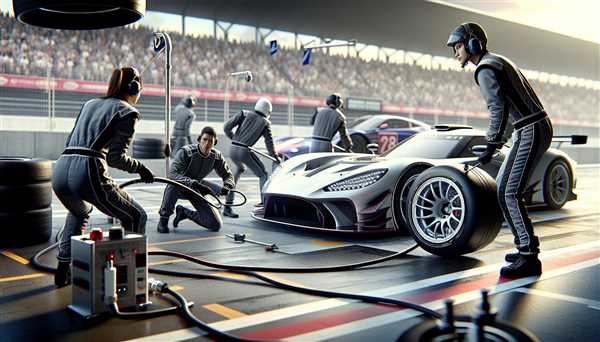
Prioritize regular inspections to track the condition of the rubber. Check for uneven tread patterns or visible damage, which can significantly impact handling and grip. Implement a systematic approach, conducting these checks at predetermined intervals throughout the competition.
Adapt your driving style to preserve the rubber’s lifespan. Smooth acceleration and braking techniques minimize unnecessary stress on the tires, allowing them to maintain optimal contact with the track surface. Focus on maintaining steady speeds in corners to prevent excessive lateral wear.
Adjust tire pressure based on track temperature and weather conditions. A higher temperature often leads to increased grip, while cooler conditions may require enhanced pressure for stability. Keep a close eye on gauge readings and make incremental adjustments to find the sweet spot for performance.
Incorporate pit stops strategically. Use these opportunities not only for fuel but also for tire rotation if necessary. A well-timed strategy can offer a competitive edge and prolong the life of your rubber throughout the event.
Understanding Tire Composition and Its Impact on Longevity

Choosing tires with a higher natural rubber content can significantly enhance durability during competition. Natural rubber offers better wear resistance compared to synthetic alternatives, making it a favorable choice for endurance events.
Look for compounds that incorporate silica. Silica not only improves grip but also reduces rolling resistance, leading to extended performance during lengthy competitions.
Tread features are critical; deeper grooves facilitate better water evacuation and reduce hydroplaning risk. A tire designed with a more aggressive tread pattern can maintain traction longer in varying conditions, contributing to overall efficiency.
Observe the durometer rating of rubber compounds. Softer compounds provide increased grip but tend to wear faster, while harder compounds can endure longer but may lack traction in certain scenarios. Balance is key based on the race type and individual driving style.
Incorporate periodic inspections to monitor tread depth and surface irregularities. This practice allows for timely adjustments, ensuring that tires deliver optimal performance throughout the event.
Lastly, consider the air pressure recommendations specific to tire models. Maintaining the correct pressure promotes even wear, enhances fuel efficiency, and prolongs the life of the tires, making it a critical aspect during races.
Monitoring Tire Temperature and Pressure During Races

Regularly check the pressure of each wheel, aiming for a PSI range that aligns with the manufacturer’s specifications. Use digital gauges for precise readings. Too low or high pressure leads to uneven contact with the track, accelerating deterioration.
Implement a infrared thermometer to assess surface heat during pit stops. A temperature above the optimal range can indicate excessive friction or graininess, both of which contribute to rapid damage.
Combine real-time monitoring tools to receive updates on tire dynamics throughout the event. This data allows for quick adjustments, keeping performance at its peak and minimizing rapid degradation.
Establish a pit strategy based on temperature trends. For instance, if one tire is significantly warmer than others, consider adjusting camber or making pit stops to address that specific tire’s condition, extending its life.
Utilize tire pressure adjustment valves available in some models to fine-tune pressure mid-competition. Fine-tuning pressure during the event enhances contact patch and reduces unnecessary tread loss.
Track tire condition metrics continuously. Build a database of performance records and tire longevity to inform decisions in future competitions, optimizing both setup and strategy based on historical data.
Consider external factors like track surface and weather conditions, as they significantly impact tire characteristics. Adapting to these variables ensures better management of traction and wear.
Adjusting Driving Techniques to Minimize Tire Degradation
Adopt smoother throttle application to reduce excessive wheel spin, especially during corner exits. This promotes better grip and extends the life of the rubber.
Practice gentle braking, applying pressure gradually to limit lock-ups and skidding. This technique decreases the heat generated and prevents uneven wear on the surface.
Avoid aggressive cornering; instead, focus on maintaining a steady line. This approach minimizes lateral forces, which can lead to faster degradation of the tread.
Keep tire pressures within optimal ranges, as this can improve contact patch performance. Monitor temperatures regularly, as overheating can accelerate wear significantly.
Utilize engine braking to aid deceleration, reducing reliance on the brakes. This not only saves brake pads but also helps manage heat levels within the tires.
Implement weight transfer techniques efficiently to balance the load on the tires throughout the race, allowing for more consistent performance.
Modify your gear selection to maintain engine RPMs in the optimal power band, minimizing unnecessary strain on the tires while providing better acceleration.
Be mindful of track conditions. Adapting your approach based on weather and surface grip can lead to reduced stress on tires, enhancing their longevity during the event.


