

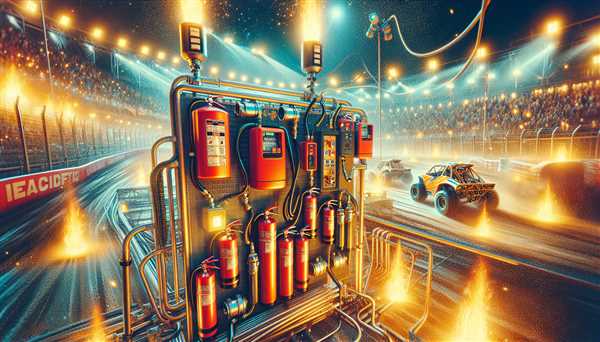
After assessing the inherent risks of off-road automotive competitions, it is pivotal for teams and organizers to implement robust safety measures that address potential ignition incidents. Equipping vehicles with high-quality fire extinguishing equipment is mandatory. Each race car should have accessible extinguishers within arm’s reach of the driver to ensure quick response during emergencies.
In addition, employing specialized fuel containment systems greatly reduces the likelihood of flammable material leaks. Utilizing advanced fuel cells designed to withstand crashes can help maintain integrity in high-pressure environments. Regular maintenance checks of fuel lines and connectors further mitigate any unforeseen failures.
Training personnel in emergency response protocols is another key aspect. Conducting drills that simulate ignition scenarios prepares both drivers and crew for real-life situations, enhancing their ability to act quickly and effectively. Furthermore, ensuring the availability of fire assistance vehicles on-site, equipped for rapid intervention, is critical to preserving lives and minimizing damage.
Understanding Fire Suppression Systems for Dirt Cars
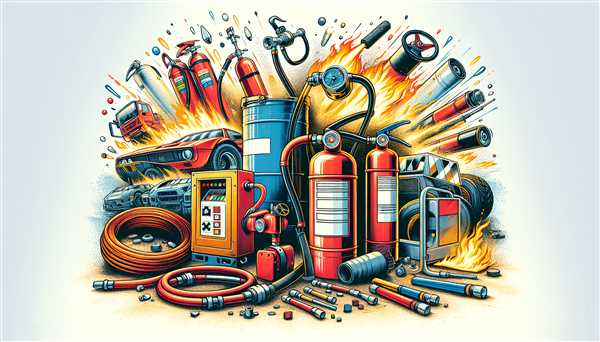
Ensure that your vehicle is equipped with a reliable extinguishing mechanism. A must-have for immediate response includes a high-quality, race-grade extinguishing system, preferably one that utilizes a liquid agent. This type effectively suppresses flames while minimizing potential harm to components.
Install nozzles strategically throughout the cockpit and engine area. Aim for coverage on vulnerable spots to enhance the likelihood of rapid deployment during an incident. Take note of the agent’s distribution and ensure that it can reach critical zones without obstruction.
Inspect and maintain your apparatus regularly. Check for leaks, pressure levels, and the condition of the nozzles. Replace any parts showing signs of wear or corrosion to maintain optimal function and reliability.
Prioritize an accessible activation mechanism within the driver’s reach. Manual activation should be straightforward to ensure that the driver can respond without delay.
Consider incorporating a monitoring system that alerts you to potential failures. A dashboard indicator can be invaluable for confirming your equipment’s readiness during competition.
Regularly train team members on the operation and best practices surrounding use. Familiarity with the equipment can save precious moments in emergencies.
Installation Guidelines for Fire Systems in Racing Vehicles
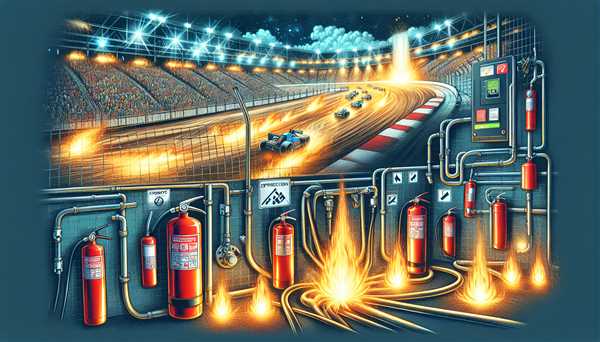
Secure the extinguishing unit to ensure stability during high-speed maneuvers. Position it within easy reach of the driver, ideally near the seat. Use brackets or mounts that withstand vibrations and impacts.
Install nozzles within the engine compartment and the driver’s area for targeted application. Aim for strategic placement, ensuring coverage without obstructing critical components. Test the reach of the discharge to confirm effectiveness.
Connect the activation mechanism to direct lines that allow for quick response. Consider both manual and automated activation options for reliability. Ensure the controls are clearly labeled to facilitate immediate access in an emergency.
Integrate a dedicated power source to enable functionality independent of the main vehicle systems. Regularly check battery status and connections to avoid failures during crucial moments.
Conduct thorough inspections before each event. Verify the integrity of hoses and connections. Replace any worn or damaged components promptly to maintain readiness.
Educate all team members on the operation of the unit. Conduct drills to ensure everyone is familiar with the activation procedure and can execute it under pressure.
Maintain documentation detailing installation procedures and component specifications. This ensures compliance with racing regulations and aids in effective troubleshooting.
Finally, establish a routine for maintenance. Periodic checks and servicing at designated intervals ensure that the apparatus remains functional and that all components operate seamlessly. Regular training refreshes skills and reinforces readiness.
Maintenance and Inspection Protocols for Fire Safety Equipment
Inspect all hoses and nozzles regularly for signs of wear or damage. Replace any that show leaks or cracks immediately to ensure reliable operation when needed.
Check extinguishing agents in portable extinguishers annually. Ensure the pressure within the gauge is within the recommended range, and recharge extinguishers as required.
Perform a comprehensive system review on a biannual basis. Assess the functionality of alarms and sprinklers, making certain that sensors are clear and unobstructed.
Document all inspections and maintenance actions. Maintain a log that includes dates, findings, and actions taken to track the readiness of equipment over time.
Test all electrical systems connected to detection and suppression devices for proper operation. Look for frayed wires or loose connections that could impede performance.
Ensure adequate training for personnel on the use of extinguishing gear. Conduct regular drills to simulate scenarios relevant to situations that may arise with a car on the track.
Review locations of fire fighting equipment to confirm accessibility at all times. Remove any obstacles that could delay response during emergencies.
Instruct on proper storage of flammable materials, ensuring they are kept at a safe distance from where vehicles are serviced or parked.
Schedule visits from qualified professionals to conduct in-depth examinations of all components. Certification by third-party experts adds an additional layer of assurance.
Keep an inventory of all fire safety items. Ensure that each item is accounted for and replace outdated equipment to maintain compliance and enhance overall readiness.

