

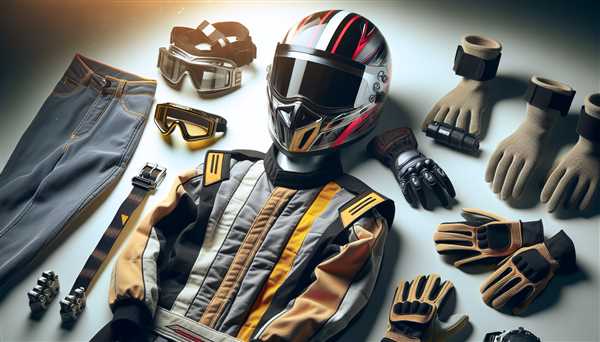
Investing in high-quality head protection is non-negotiable. A well-fitted helmet, certified to the latest safety standards, can significantly reduce the risk of serious injuries during a crash. Look for options that include fire-retardant lining and a comfortable fit to ensure maximum protection.
Another crucial component is the fire-resistant suit, designed to shield the body from flames and heat. These suits should adhere to industry guidelines and be constructed from materials that provide excellent breathability while maintaining resistance to extreme conditions.
Don’t overlook the importance of gloves and footwear. Specialized gloves enhance grip on the steering wheel and prevent slippage during races. Footwear should be sturdy and provide support, with a non-slip sole to ensure control over the pedals in challenging terrain.
Protective pads and harness systems are equally vital. Invest in well-engineered harnesses to keep the occupant securely in place during sudden maneuvers. Reinforced padding will add an extra layer of defense against impacts, making it a worthwhile investment for any competitor.
Choosing the Right Helmet for Dirt Racing
Select a helmet certified by recognized standards such as Snell or FIA to ensure optimal protection. Look for options with a full-face design for enhanced coverage against debris and impacts during races. Lightweight materials like carbon fiber or fiberglass can improve comfort without compromising defense.
Ensure proper fit; a helmet should feel snug but not tight. Consider purchasing one with adjustable padding to customize the fit for comfort during lengthy events. Ventilation is crucial to maintain coolness while racing; select a model with adequate airflow channels.
Invest in a helmet equipped with a transparent visor to maximize visibility. Anti-fog coatings or tear-off strips can also enhance performance in changing weather conditions. Review models that integrate communication systems for seamless interaction with your team.
Regularly inspect the helmet for any signs of wear or damage, especially after crashes. Replace helmets every five years or sooner if you experience a significant impact. Prioritize equipment from reputable manufacturers to ensure reliability on the track.
Understanding Fire-Resistant Racing Suits
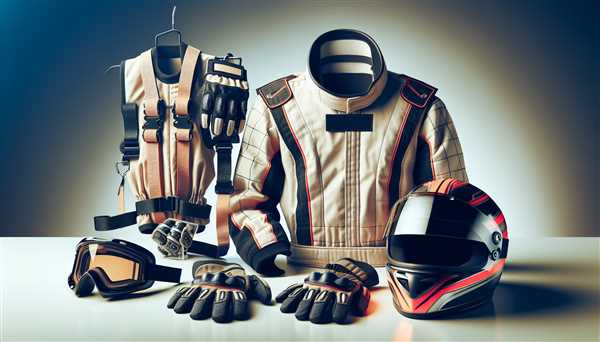
Choosing a fire-resistant racing suit requires careful consideration of materials. Look for suits made from Nomex or Kevlar, which provide excellent flame resistance. These fabrics can withstand high temperatures while offering breathability and comfort, crucial for extended periods on the track.
Check for the FIA or SFI certification labels, ensuring that the suit meets industry standards for fire protection. A suit rated by these organizations has undergone rigorous testing, confirming its reliability in the event of an emergency.
Opt for multiple layers for added protection, as a thicker material can enhance heat resistance. However, balance thickness with mobility; excessive bulk may hinder movement. Some manufacturers offer lightweight alternatives that do not sacrifice safety.
Consider the fit of the suit. A tailored design ensures that it conforms to your body, minimizing the risk of catching on equipment or vehicle parts. Adjustable features such as cuffs, waistbands, and necklines can further enhance fit and comfort.
Lastly, don’t overlook maintenance. Regularly check for wear and tear, and follow washing instructions to preserve the integrity of the suit’s fire-resistant properties. Proper care extends the lifespan, ensuring continued protection while racing on challenging tracks.
The Importance of Proper Footwear in Dirt Racing
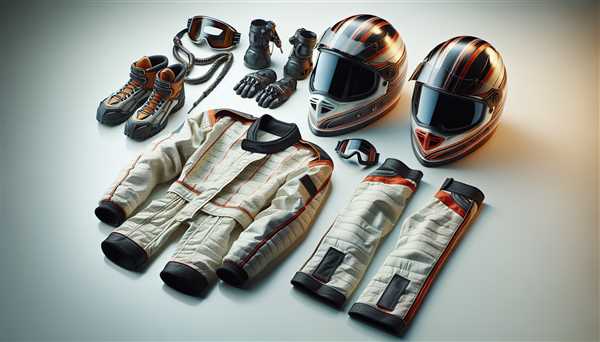
Choosing the right footwear is critical for enhancing control and stability during competitions. Opt for shoes designed specifically for motorsport, featuring a flat sole to maximize traction and eliminate foot slippage on pedals. Ensure that the footwear has excellent grip and is made from heat-resistant materials to protect against high temperatures in the cockpit.
In addition, a snug fit is necessary to offer optimal feel for pedal sensitivity. This allows for precise control during sharp turns and accelerating. Look for models with reinforced toes and ankle support to guard against potential injuries from impacts or compression during high-speed maneuvering.
Furthermore, consider moisture-wicking properties to keep feet dry and comfortable under intense conditions. Breathability is also important; it helps maintain a consistent temperature, preventing overheating during long races. Overall, well-chosen footwear contributes to better performance, enhancing reaction times and overall handling of the vehicle.

