

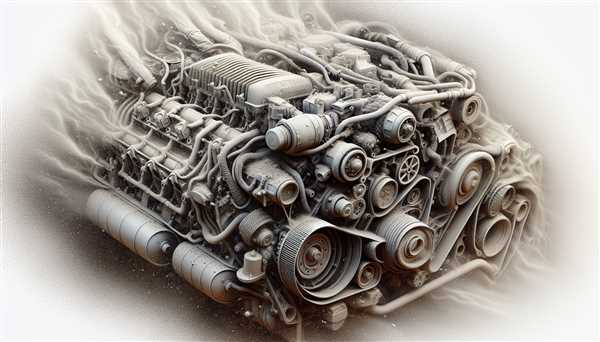
To enhance longevity and reliability, regular inspection and maintenance are critical when faced with exposure to grime and high temperatures. Accumulation of particles can obstruct airflow and impair cooling systems, leading to a cascade of undesirable effects on performance. Implementing a routine check of air filters and intake systems can mitigate these risks substantially.
Heat combined with debris not only accelerates wear but may also lead to critical failures if left unaddressed. Utilizing high-quality lubricants specifically designed to withstand extreme conditions can play a significant role in maintaining optimal functionality. Consider using synthetic oils that provide better protection and efficiency under stress.
Furthermore, monitoring the operating environment is beneficial. If vehicles or machinery are frequently exposed to heavily soiled conditions, adopting protective measures like dust shields can create a barrier against contaminants. Staying proactive with these strategies will ensure smoother operations and minimize the likelihood of performance setbacks.
Impact of Dust Buildup on Engine Performance
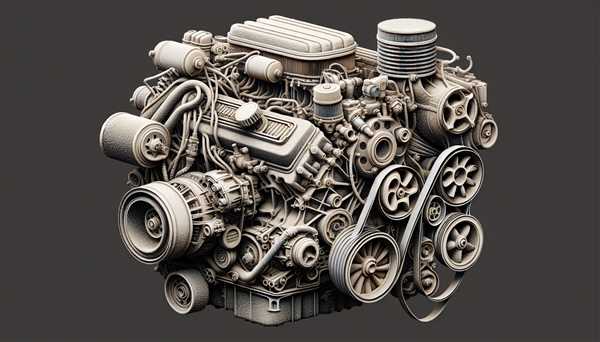
Regularly maintaining cleanliness is vital for optimal vehicle function. Accumulation of grime can lead to several detrimental consequences, including:
- Restricted airflow: Excess deposits can block air intakes, reducing oxygen supply necessary for combustion.
- Filtration issues: Dirty filters can become less effective, allowing contaminants to enter sensitive components.
- Overheating: Lack of proper ventilation can cause elevated operational temperatures, stressing mechanical parts.
- Lubrication failure: Contaminated oil can lead to increased friction and wear on moving surfaces.
Monitoring specific indicators can help identify potential issues caused by dirt buildup:
- Decreased power output: Noticeable reduction in acceleration or responsiveness.
- Poor fuel efficiency: Increased consumption compared to usual metrics.
- Unusual sounds: Hearing knocking or grinding noises may indicate wear due to unclean components.
To mitigate these risks:
- Conduct routine inspections and clean air filtration systems regularly.
- Use high-quality filters designed for harsh environments.
- Consider periodic professional cleaning services for thorough removal of dirt.
Implementing these strategies can prolong the lifespan of critical components and enhance overall performance.
Heat Management Strategies for High-Performance Racing Engines
Install high-performance cooling systems to maintain optimal temperatures during competition. Radiators with increased surface area and enhanced airflow reduce overheating risks while providing the necessary cooling capacity.
Incorporate heat-resistant materials in critical components to mitigate damage caused by elevated temperatures. Options like titanium and composite materials help withstand extreme conditions associated with racing.
Utilize oil coolers to ensure lubricants remain within their ideal temperature range, preventing break down and ensuring efficient operation. An oil cooler can significantly extend the lifespan of moving parts.
Optimize airflow around the engine bay by modifying bodywork. Ducts and vents play a crucial role in channeling cool air towards the engine and exhaust, reducing the likelihood of overheating in dirt-laden environments.
Regularly monitor temperature readings using advanced telemetry systems. This provides real-time data, enabling timely adjustments to cooling strategies and enhancing reliability during races.
Perform routine maintenance on cooling systems. Regular flushing of coolant systems and checking for blockages in radiators ensures consistent performance under high-stress conditions.
Implement a cooling down procedure after races. Allowing the engine to return to ambient temperatures prevents thermal fatigue and potential failures when transitioning from high-stress environments.
Common Engine Failures Related to Dirt Racing Conditions
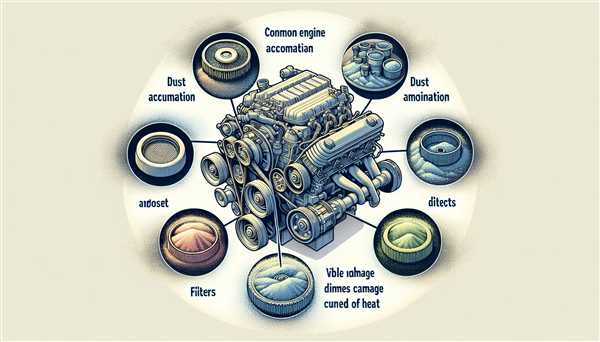
Mud ingestion into the air intake can cause severe wear on internal components, leading to diminished performance. Ensure that air filters are regularly cleaned and replaced to minimize this risk.
The abrasive nature of dirt can lead to poor lubrication, accelerating engine wear. Use high-quality oil and change it frequently to maintain optimal lubrication under racing conditions.
Particle contamination can result in clogged fuel injectors, disrupt fuel flow, and negatively impact combustion efficiency. Regularly inspect and clean fuel filters to prevent this issue.
Overheating is a common concern in racing environments. Install a high-capacity radiator and consider using a performance-enhancing coolant to control temperatures effectively.
Seals and gaskets may degrade rapidly due to exposure to particulates and high temperatures. Regularly check for leaks and replace worn seals to prevent fluid loss.
The intense vibrations during dirt racing can cause connections to loosen. Regularly inspect and tighten all bolts and connections to ensure everything remains secure.
Valve train components are susceptible to damage from debris. Consider upgrading to stronger springs and retainers to withstand extreme racing conditions.
Worn piston rings can lead to decreased compression and power loss. Regular inspection and replacement of rings can help maintain performance levels.
Carbon buildup due to incomplete combustion can reduce efficiency. Utilize high-octane fuel formulated for racing to minimize deposits and improve combustion quality.
Lastly, a thorough post-race inspection is critical. Assess all components for signs of wear and damage to address any issues before the next event.

